
Best Wall Lighting for Commercial Buildings
From hotels and shopping centers to office buildings and mixed-use commercial projects, the right wall lighting can completely transform how a building looks after dark.
Why Commercial Buildings Need Professional Wall Lighting
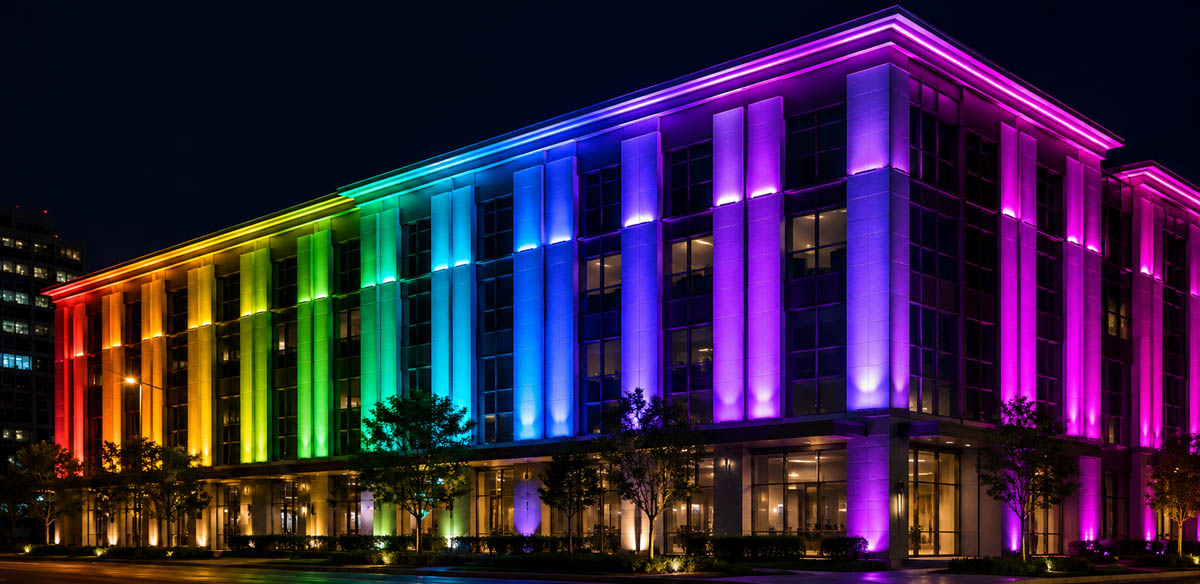
A well-designed facade lighting system offers far more than simple illumination. Professional outdoor wall lighting can help commercial projects achieve a stronger architectural identity, better nighttime visibility, improved customer experience, and a higher-end modern appearance.
For hotels, retail centers, resorts, and office buildings, facade lighting has become part of the building’s visual identity. Especially in hospitality and commercial projects, lighting often determines the first impression visitors experience at night.
Popular Types of Commercial Wall Lighting
1. Up and Down Wall Lights
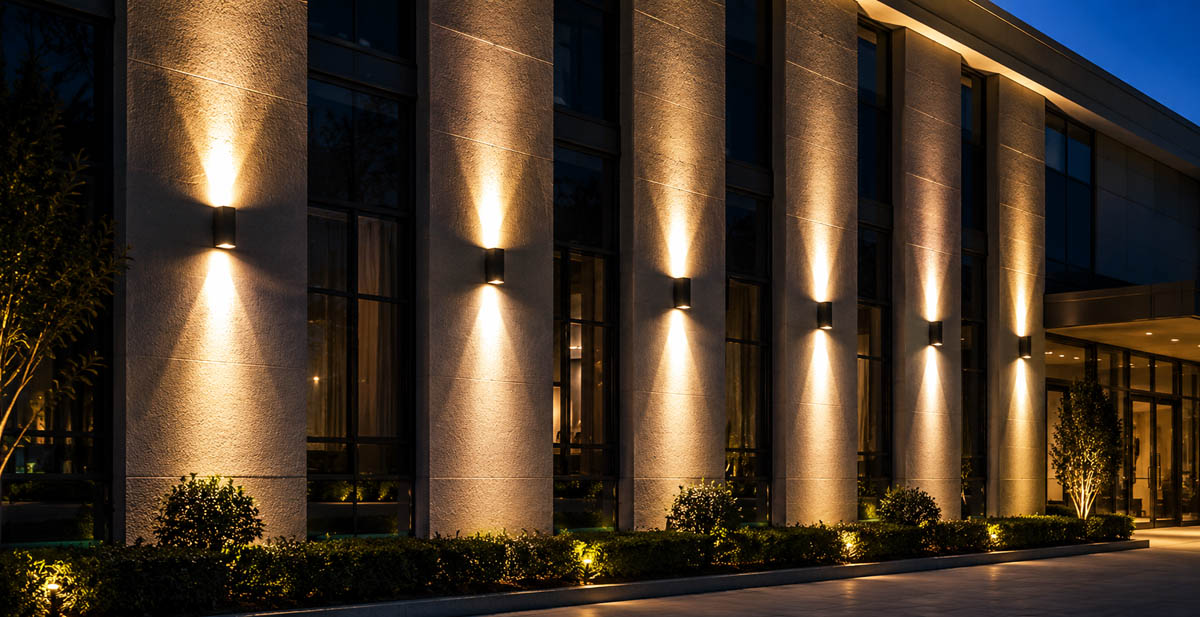
Up and down wall lights are one of the most popular choices for commercial facades. They create clean vertical light beams that emphasize architectural lines and add depth to building surfaces.
These fixtures are commonly used for hotel entrances, commercial corridors, exterior feature walls, modern office buildings, and retail storefronts.
Static White vs RGB vs DMX Lighting
Static White Wall Lighting
Static white lighting is ideal for office buildings, luxury apartments, hotels, commercial walkways, and modern exterior walls. Common color temperatures include 2700K warm white, 3000K warm white, and 4000K neutral white.
Warm white lighting creates a clean, elegant, and professional facade appearance, making it suitable for long-term commercial lighting projects.
RGB Wall Lighting
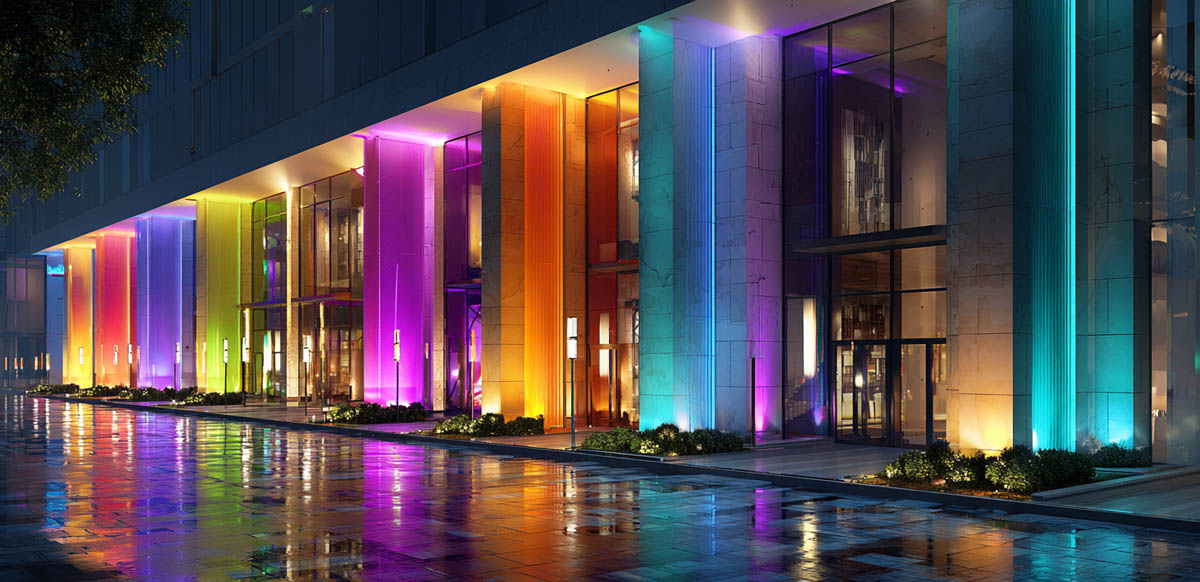
RGB wall lights allow commercial buildings to display changing colors and create a more dynamic nighttime atmosphere. This type of lighting is widely used in resorts, entertainment venues, restaurants, shopping centers, and event spaces.
RGB lighting helps commercial buildings stand out visually and creates stronger social media appeal for hospitality and retail projects.
Learn more about our RGB wall lighting solutions here:
RGB Wall Lighting
DMX Facade Lighting
DMX-controlled facade lighting is designed for larger commercial lighting projects that require synchronized effects and advanced control. DMX systems allow color-changing scenes, dynamic animations, centralized control, and building-wide synchronization.
DMX facade lighting is commonly used for large hotels, commercial towers, public buildings, landmark architecture, and entertainment districts.
Learn more about DMX facade lighting systems here:
DMX Facade Lighting
Key Factors When Choosing Commercial Wall Lights
IP Rating for Outdoor Use
Commercial outdoor wall lights should usually use IP65, IP66, or IP67 rated fixtures. A higher IP rating helps ensure reliable performance in rain, humidity, and outdoor environments.
Material Quality
For long-term commercial projects, durable materials are very important. Recommended materials include die-cast aluminum housing, stainless steel components, tempered glass lenses, and outdoor powder coating.
Beam Angle Selection
Different beam angles create different facade lighting effects. Narrow beams create stronger architectural highlights, while wider beams create a softer wall washing effect. Hotels and commercial facades often combine multiple beam angles for layered lighting effects.
Energy Efficiency
Modern LED wall lighting can significantly reduce operating costs compared with traditional lighting systems. LED fixtures offer lower power consumption, long lifespan, reduced maintenance, better heat management, and stable outdoor performance.
Best Applications for Commercial Wall Lighting
Hotels
Hotels often use wall lighting to create a premium nighttime atmosphere around entrances, facades, and outdoor public spaces. Warm white lighting creates a luxury appearance, while RGB lighting can enhance resort-style environments.
Office Buildings
Modern office buildings frequently use minimalist wall lighting to highlight architectural geometry and create a clean, professional look.
Shopping Centers
Retail and commercial plazas often use RGB or DMX facade lighting to create more eye-catching nighttime visuals that attract visitors and support seasonal events.
Restaurants and Hospitality Projects
Restaurants, bars, and hospitality venues use decorative facade lighting to improve nighttime ambiance and create memorable customer experiences.
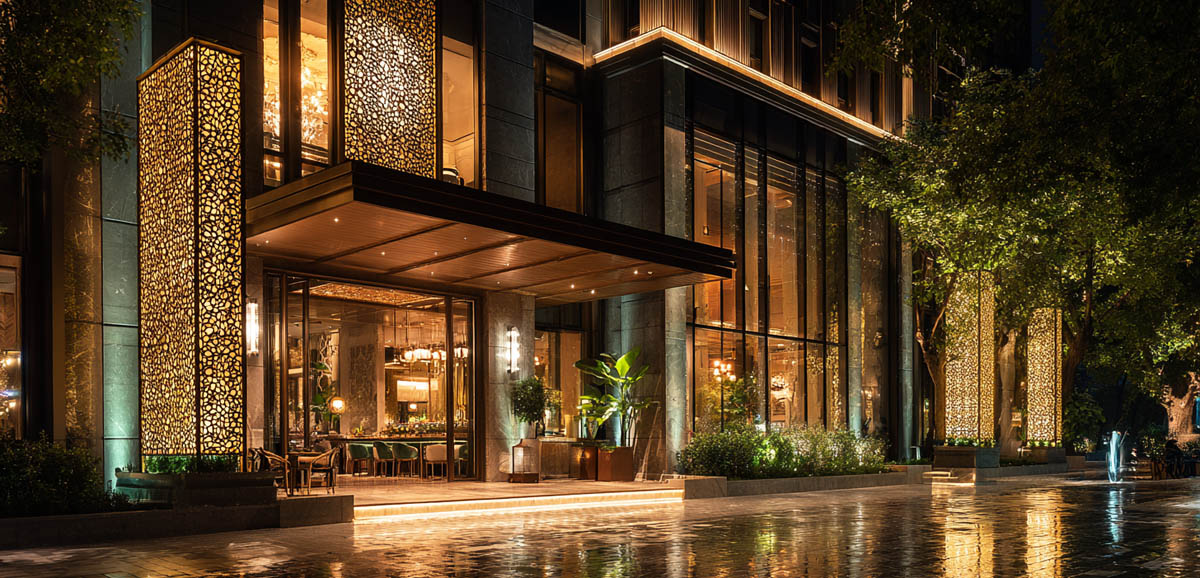
Why LED Wall Lighting Is the Future of Commercial Facades
Traditional facade lighting systems often required high maintenance, large power consumption, frequent lamp replacement, and limited control capability. Modern LED wall lighting solves these issues while offering better lighting effects, longer lifespan, lower maintenance costs, RGB and DMX compatibility, compact fixture designs, and more flexible installation.
This is why LED facade lighting has become the preferred choice for modern commercial architecture.
Choosing the Right Supplier for Commercial Lighting Projects
For commercial projects, choosing the right lighting supplier is just as important as selecting the fixtures themselves. A professional outdoor lighting manufacturer should provide stable product quality, outdoor-rated fixtures, project experience, RGB and DMX support, fast communication, technical assistance, and reliable delivery.
For larger commercial projects, consistency and long-term reliability are especially important.
Conclusion
The best wall lighting for commercial buildings depends on the project style, architectural goals, and desired nighttime atmosphere. Whether using warm white architectural lighting, RGB facade lighting, or advanced DMX systems, professional LED wall lighting can dramatically improve the appearance of commercial buildings after dark.
As modern architecture increasingly focuses on nighttime visual experience, facade lighting is becoming an essential part of commercial building design.
Related Lighting Solutions
Need Commercial Wall Lighting for Your Project?
Leysun Light provides outdoor wall lights, RGB wall lighting, and DMX facade lighting solutions for hotels, commercial buildings, resorts, and architectural projects.


